
“Billboards for political branding.”
Those were the words sparking online concern after a reader complained to automotive publication VISOR about a green garbage truck in Las Piñas City bearing the names and faces of local officials — a practice the sender called “vanity” projects of politicians “masquerading as governance.”
The concerned citizen also sent a picture of a green garbage truck bearing the names of the city’s top officials.
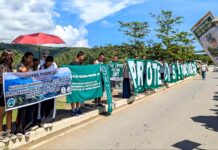
“For years now, almost every public project — whether it’s garbage trucks, road repairs, or even waiting sheds — has been branded with the oversized faces and names of the mayor and the vice mayor,” the sender, who wished to remain anonymous, said.
“Their images are printed in bold, almost like campaign posters, as if the people owe them gratitude for doing what they are supposed to do as public servants,” they added.
“Just take a look at these new garbage trucks with their names boldly painted in massive letters across them. What for? They even present these as ‘their projects.’ But why call it that?” the sender continued.
“Isn’t this already expected of them as part of their duty to the people? These are not personal contributions. These are funded by the taxes that we, the people of Las Piñas, pay. To use public funds for this kind of shameless self-promotion is not just unnecessary — it is downright insulting,” they said.
The sender then raised the issues of “corruption” and “misuse of funds” in government agencies, such as the Department of Public Works and Highways regarding their alleged anomalous flood control projects.
“Practices like this only fuel distrust and cynicism among citizens. It is disgusting to see our taxes turned into billboards for political branding. Public service should be about humility, accountability, and transparency — not vanity projects masquerading as governance,” they said.
“The people of Las Piñas deserve better than this endless parade of names and faces. We are not indebted to politicians for doing their jobs. On the contrary, they are indebted to us for the privilege of serving,” the sender added.
The post has garnered 1,500 likes and reactions, 166 shares, and nearly 400 comments from Filipinos who similarly expressed similar disdain.
Dismayed taxpayers
Some commenters urged legal action. “Dapat gawing batas na bawal maglagay ang politicians ng pangalan at pagmumukha nila sa mga projects. Ay, sila nga pala ang gumagawa ng batas… Kawawang Pilipinas,” a Facebook user said.
“Parang sariling pera nila pinambili niyan ah,” another user commented with an enraged face emoji.
“Required ba talaga nakalagay pangalan ng mga politicians sa mga machineries na ‘yan? Dagdag gastos sa pintura tapos paano if after election, iba na nakaupo, need na naman gumastos para palitan names na nakalagay… pera na naman ng taumbayan wawaldasin nila sa pagpapaganda ng mga pangalan nila,” said a different Pinoy.
Legislative push needed
There have been local ordinances banning public officials from displaying their names and images on government-funded projects; however, a bill addressing such practices on a nationwide scale has been stalled in Congress.
Latest updates point to 2019, when then-Surigao del Norte Second District representative Robert Ace Barbers refiled an “Anti-Epal Bill” or House Bill 17 (18th Congress).
The House bill prohibits public officials from affixing their names or images to public service projects and vehicles.
“Crediting individuals instead of the government on any public work, project, assistance or program is unethical and a manifestation of the nation’s deeply troubling political patronage,” Barbers said in his explanatory note before.
“This system of political advertising also promotes corruption among our officials, sending a wrong sense of accomplishment among the citizens,” he added.
“Epal” is a colloquial term for “mapapel” or someone who is a credit or attention-grabber. The term is typically used in the context of politicians displaying their names and images on government projects, despite these being funded by taxpayers.