Is Your Car Ready for the Next Flood? Know What to Do
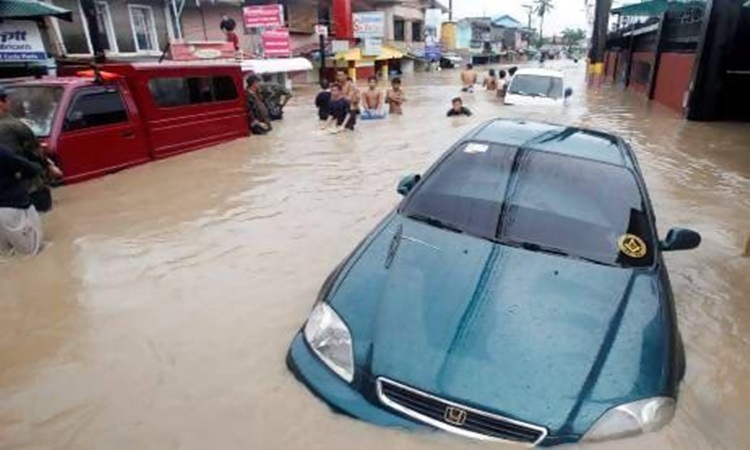
FLOOD – Heavy rains can quickly turn familiar roads into dangerous flood zones, putting both drivers and vehicles at risk.
As the southwest monsoon continues to bring heavy rains, motorists are being urged to take extra precautions as the risk of flooding increases. Taking preventive measures before and during severe weather can help protect both vehicles and passengers.
Here is a practical guide on protecting your car from severe water damage and recovering it safely if flooding happens.
Park on Higher Ground
If heavy rain is forecast and you live in an area that frequently floods, move your vehicle to an elevated and safer location ahead of time. Some malls also allow overnight parking, giving motorists an alternative place to keep their cars away from floodwaters.
Plan Your Route
Before heading out during rainy weather, check your route and avoid areas that are known to flood. Motorists can also use available online flood maps, such as those from Project NOAH, to identify roads that may become difficult or unsafe to cross.
Use Headlights
Drivers should turn on their headlights when visibility is poor rather than using hazard lights while moving. Hazard lights are intended for emergencies, while regular signal lights allow other motorists to know when a vehicle is turning or changing direction.
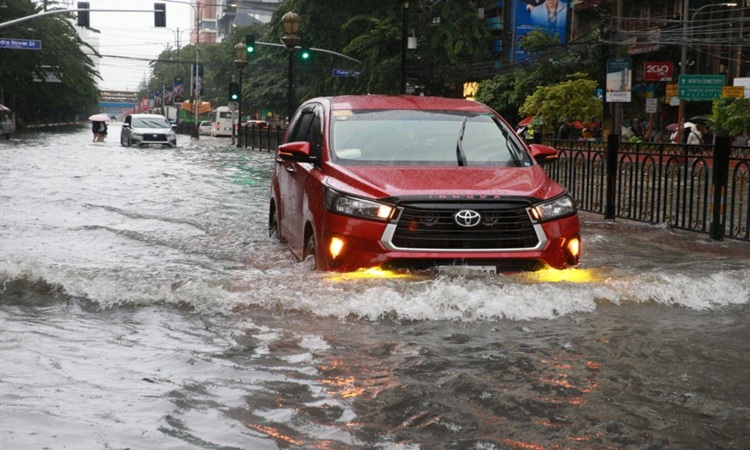
Avoid Flooded Roads
Do not attempt to cross streets covered with deep floodwater. Even if the water appears passable, it can cause serious damage to a car’s engine, electrical components, and other mechanical parts. Waiting for the water to go down is the safer choice.
Leave a Flooded Car
If floodwater starts entering your vehicle while you are driving, immediately prioritize your safety. Turn off the engine, get out of the car, lock it if conditions allow, and move to a secure location. Staying inside as the water level rises could make it harder to escape.
Take Photos
After reaching a safe area, document the flooded vehicle by taking clear photographs. These pictures can provide important evidence of the damage and may be useful when submitting an insurance claim.
Do Not Restart It
Never attempt to start a vehicle that has been submerged in floodwater. Turning on the engine could worsen damage to the vehicle’s electrical system and computer components. Disconnecting the battery is a safer immediate measure.
Call a Mechanic
A severely flooded car should be inspected by a qualified mechanic. Have it towed to a trusted repair shop instead of attempting major repairs yourself, especially if you are unfamiliar with vehicle systems.
Contact Your Insurer
Inform your insurance provider about the flooding as soon as possible. Ask whether your policy covers damage caused by floods or natural disasters. Motorists should also remember that a vehicle with a history of flood damage may have a lower resale value even after it has been repaired.
READ ALSO: MMDA Offers Free Towing Service for Flood-Damaged Vehicles