BIR Removes 12% VAT on Electricity System Loss Charges
The Bureau of Internal Revenue (BIR) has removed the 12% Value-Added Tax (VAT) on allowable system loss charges included in electricity bills.
The BIR announced the change on Monday, September 14, through Revenue Memorandum Circular No. 97-2026. Under the new rule, the allowable system loss charge within the limit approved by the Energy Regulatory Commission (ERC) will no longer be subject to VAT.
The BIR considers the system loss charge a government-mandated pass-through cost. Because of this, it will no longer be included in the amount used to calculate VAT.

BIR Commissioner Charlito Martin R. Mendoza said the move is part of the agency’s effort to help lower electricity costs and reduce the financial burden on consumers. He explained that removing the VAT on the covered portion is a measure the BIR can implement under existing laws while broader reforms on electricity charges and taxes are still being considered.
However, the BIR clarified that VAT will not be removed from the entire electricity bill. Other charges that remain subject to VAT will continue to be taxed. The VAT must also be shown separately on billing statements, invoices, and similar documents.
Generation companies, the National Grid Corporation of the Philippines (NGCP), distribution utilities, electric cooperatives, and other affected taxpayers must follow proper billing, accounting, reporting, and pricing rules under ERC regulations and existing laws.
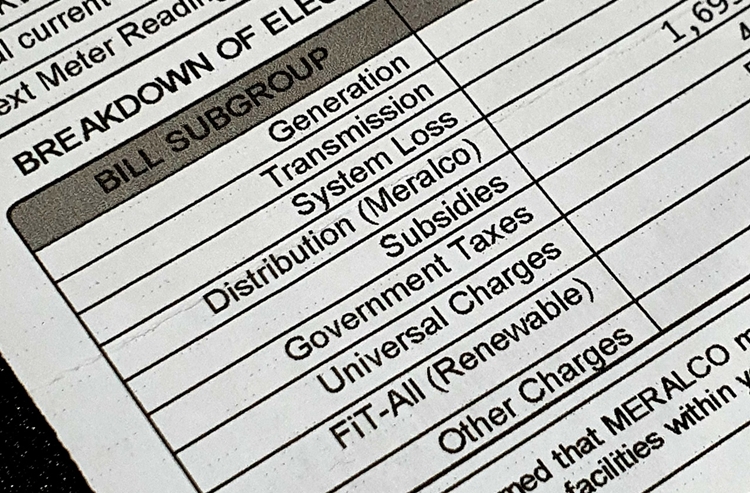
For consumers, the change means the allowable system loss portion of covered electricity bills will no longer have the additional 12% VAT. This could result in lower electricity charges once the new rules take effect.
The policy follows President Ferdinand Marcos Jr.’s commitment during his July State of the Nation Address to address system loss charges.
System loss charges refer to electricity that is lost before it reaches consumers. They represent the difference between the amount of electricity delivered by power plants and the amount actually recorded and paid for by consumers. Despite not being directly consumed, these losses are included in electricity bills.