
Lawmakers Move to End Travel Tax for Filipino Travelers
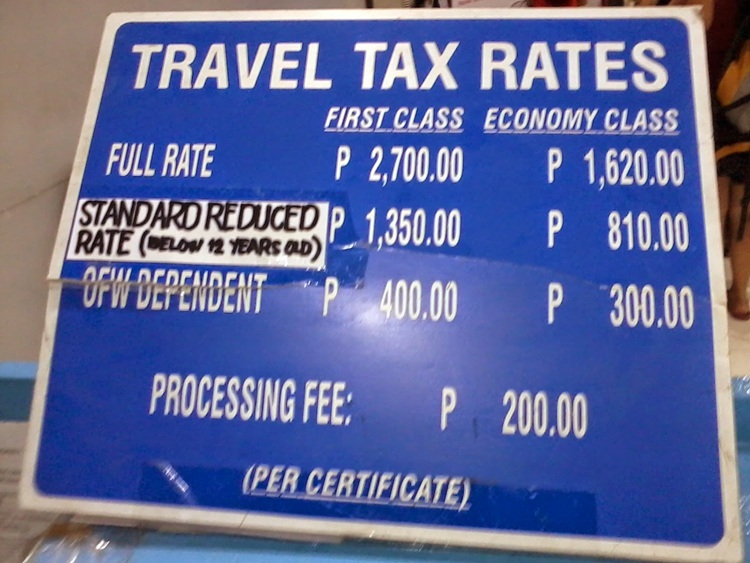
TRAVEL TAX – The possibility of scrapping the travel tax is gaining momentum after a key House panel gave its approval.
The House Committee on Tourism has advanced a proposal to eliminate the travel tax imposed on Filipino travelers after approving a measure that aims to scrap the long-standing charge. The approval, granted on Monday, February 23, underscores lawmakers’ goal of reducing the financial strain on everyday passengers while enhancing the Philippines’ standing in the international travel sector.
If the bill becomes law, it would abolish the travel tax mandated under Presidential Decree No. 1183 and the Tourism Act of 2009. Supporters of the measure maintain that removing this fee would lower the overall cost of overseas trips for Filipinos, especially at a time when many households are coping with increasing expenses and economic challenges.
President Ferdinand Marcos Jr. had earlier called on Congress to prioritize the passage of legislation eliminating the travel tax. His appeal reflects the administration’s backing of efforts designed to improve mobility, revitalize tourism, and strengthen the country’s economic recovery.
The measure was introduced as House Bill No. 7443 by Ilocos Norte Representative and presidential son Sandro Marcos. He has argued that the travel tax has already outlived its original purpose, particularly given the changes in today’s economic climate and travel landscape.
“When travel becomes more expensive, fewer people move, fewer people spend and fewer opportunities circulate through the economy. Lowering the cost of travel allows Filipino families to allocate their money where it matters most,” the House Majority Leader said.

In addition, Sandro Marcos emphasized that abolishing the travel tax could help enhance mobility and accelerate both economic and tourism recovery in the Philippines. He pointed out that for many Filipinos, travel is not merely a luxury but an essential means of reconnecting with loved ones and maintaining their livelihood.
Following the committee’s approval, the bill will move forward in the legislative process. Supporters remain hopeful that once enacted, scrapping the travel tax will encourage more outbound travel, stimulate spending, and contribute to sustained national economic growth.