
MANILA — The Catholic Church has partnered with three government agencies to strengthen support for Filipino migrant workers, seafarers and families separated by migration, including efforts to address children’s mental health.
The CBCP Episcopal Commission on Migrants and Itinerant People (ECMI) signed agreements with the Overseas Workers Welfare Administration, Department of Migrant Workers and Commission on Filipinos Overseas.
The agreements were signed during the 40th National Migrants’ Sunday celebration September 27 in Quezon City.
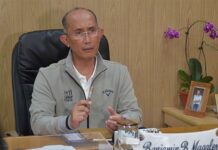
Fr. Ricky Gente, ECMI executive secretary, said the initiatives would support overseas Filipino workers and their families, particularly children affected by prolonged separation.
“These projects aim to help our Filipino workers abroad, especially with the mental health of our children who have been separated from their families,” Gente said.
The ECMI also encourages parishes to involve spouses of migrant workers in parish activities to help families maintain relationships despite long periods of separation.
Gente said the migrant ministry has reached nearly 70% of parishes in Luzon and continues to expand into other communities.
Drawing on 34 years as a Scalabrinian missionary in Italy, Gente said Filipino migrants often turn to the Church when they arrive in a new country.
“It is really beautiful that the first place our Filipino workers go to is the Church. So the Church should be an encounter with their faith,” Gente said.
Catholic migrant ministries abroad also offer practical assistance such as language support, medical services, radio programs and faith formation, particularly for younger Filipinos.
For second-generation Filipinos, these ministries can help maintain connections with their Filipino heritage, faith and community.
Gente said migrant communities also give Filipinos abroad opportunities to meet others who understand the challenges of living far from their families.
“When they gather together, it gives them courage and inspiration,” Gente said.