
A Catholic bishop on Wednesday delivered a sharp warning against corruption and social injustice, saying today’s “withered hands” belong to those who steal from the public.
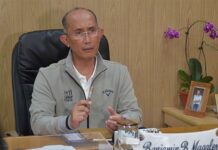
Bishop Dave Dean Capucao of Infanta prelature said the Gospel story of Jesus healing a man’s withered hand challenges Church leaders to confront systemic wrongdoing rather than hide behind tradition or institutional comfort.
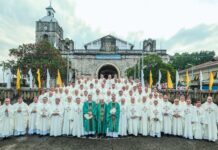
“Many hands are withered today because stealing [of public funds] has become systemic,” Capucao said during his homily during a Mass with fellow bishops at the Cubao Cathedral in Quezon City, on Jan. 21.
Referring directly to corruption, Capucao said stolen public funds leave deep moral and social wounds that demand repentance and healing, not silence or excuses from religious and civic leaders.
“I hope the hands of those who stole public money will wither,” he said, adding that corruption damages both society and the moral character of those involved.
Capucao said healing, as shown in the Gospel, must address not only physical suffering but also the deeper social and spiritual causes that keep people trapped in poverty and exclusion.
“Healing the hand also means healing the heart,” he said, stressing that injustice reflects a moral failure that requires conversion and concrete action.
The Mass concluded the second day of a three-day bishops’ seminar at the Pope Pius XII Catholic Center in Manila, ahead of the bishops’ 131st plenary assembly over the weekend.
The 59-year old prelate warned Church leaders against becoming detached administrators who focus on rules while ignoring suffering communities affected by hunger, inequality and abuse of power.
“Are we allowing fear of institutional norms to stifle the inherent call to radically love those in need?” Capucao asked, urging bishops to place compassion above rigid practice.
He also cautioned against relying on technology or systems to replace human responsibility, saying true leadership requires personal encounter and moral courage.
“AI can stimulate conversation. AI can stimulate intimacy, vulnerability, and empathy in language, but AI cannot be a shepherd with a heart,” Capucao said, warning against leaders who act without genuine concern.
Capucao said the Church must actively confront injustice by standing with the marginalized, including indigenous peoples, whom he described as powerful witnesses to shared responsibility and moral clarity.
“Resources are not a privilege, but rather they should be shared as blessings meant for the sustenance of all,” he said, calling on Church leaders to challenge corruption and inequality with decisive, compassionate action.