PWDs Can Get Automatic PhilHealth Coverage Without a Separate Application
PWD – Registered PWDs can automatically receive PhilHealth coverage, but many may still be unaware of the important step needed to access the benefit.
Persons with disabilities (PWDs) who are listed in the Philippine Registry for Persons with Disabilities (PR-PWD) may automatically become covered by PhilHealth, removing the need for them to file a separate membership application, according to the state health insurer.
Junie Sabusap, chief of the field operations division of PhilHealth Regional Office 6, encouraged PWDs who are still not included in the centralized registry to approach their respective local social welfare offices for assistance.
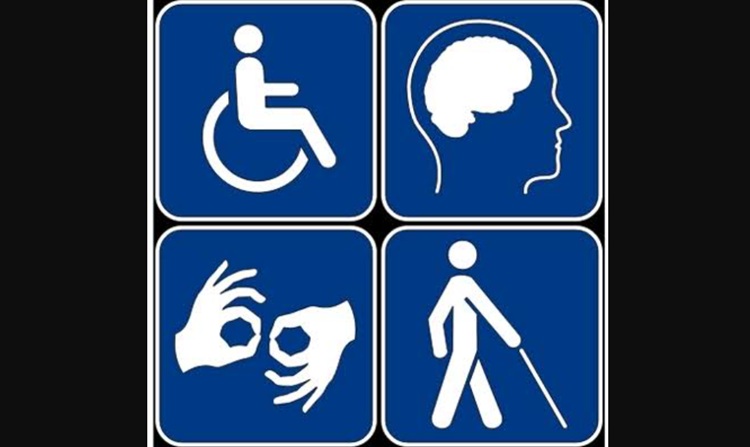
The PR-PWD, which is maintained by the Department of Health and the National Council on Disability Affairs, functions as the country’s centralized database containing information on persons with disabilities.
“PWDs registered with the PR-PWD are automatically covered by PhilHealth for their in-patient and out-patient medical needs,” Sabusap said.
However, automatic PhilHealth coverage does not necessarily mean that every medical bill or service will be fully paid. Benefits remain subject to existing PhilHealth packages, policies, rules, and conditions.
Who can receive PhilHealth coverage?
Under Republic Act No. 11228, all persons with disabilities are entitled to mandatory PhilHealth coverage.
The measure, which was signed into law on February 22, 2019, amended Republic Act No. 7277, also known as the Magna Carta for Persons with Disability. It introduced a provision that places all qualified PWDs under the National Health Insurance Program.
Is a separate PhilHealth application required?
PWDs who are already registered in the PR-PWD generally do not need to submit another application to become PhilHealth members.
According to Sabusap, enrollment in the national PWD database activates their automatic PhilHealth coverage. Those who are uncertain whether their registration remains active may coordinate with their local social welfare office for verification.
What happens if a PWD is not yet registered?
Sabusap advised unregistered PWDs to visit their local social welfare offices and ask for help in completing their PR-PWD registration.
Being included in the database is important because it helps the government maintain updated information about PWDs, including their health and development requirements. Under RA 11228, local government units and concerned agencies are also required to submit relevant PWD information to the DOH.

What medical needs does PhilHealth cover?
Individuals registered with the PR-PWD may avail themselves of PhilHealth coverage for both inpatient and outpatient medical needs. Still, the extent of coverage depends on the specific benefit package applicable to a patient’s treatment or medical service.
The law also directs PhilHealth to create exclusive benefit packages designed to address the particular health and development needs of PWDs.
Who shoulders the PhilHealth premiums?
RA 11228 provides that premium contributions for PWDs will generally be paid by the national government. For PWD members who belong to the formal economy, however, the contribution is shared equally between their employers and the national government.
What should PWDs do next?
PWDs and their caregivers should first check whether they have an active PR-PWD registration. Those who are not yet registered should seek assistance from their local social welfare office. After registration, they should confirm their PhilHealth status and ask which benefit package applies before obtaining medical treatment.
READ ALSO: PhilHealth Monthly Contribution 2026 If You Earn Over P100,000 per Month