
The online entertainment industry is evolving at an astonishing pace. Fast-paced, dynamic games are replacing complex strategies. Users value their time and expect instant results – waiting is frustrating. Simple rules attract millions of players worldwide. Everyone loves to play, and there’s no need to memorize complicated combinations; everything happens in seconds. Yet beneath this apparent simplicity lies mathematics. When a beginner launches Chicken Road to test their reflexes, they need to understand that every action affects the final outcome of the session. This isn’t magic – success favors preparation. Mindless button-mashing leads to losses. No one wants to lose; a system is required. Only careful calculation brings results.
Arcade games of this type demand full concentration. Don’t get distracted – this is more than entertainment; it’s a training ground for attention. A single mistake can erase all progress, and losing is frustrating. Approach the game responsibly. Prepare in advance, gather your thoughts, and remember: focus is your best ally.

The evolution of the genre: from classics to new formats
Games used to be different – simpler, slower, and often a bit boring. Graphics were basic, and storylines were linear. Today, everything has changed. Progress is relentless, and developers focus on interactivity. Players want to be part of the action; they want influence and control. Feeling in charge has become essential.
Modern casual games offer a unique experience. You’re not just watching reels spin – you’re making decisions. It’s your choice: cross now or wait? Take the risk or secure a small win? These decisions create tension, quickening your heartbeat. This is excitement – but excitement must be managed.

How algorithms work
At the heart of any fair game is mathematics. Numbers don’t lie, and they can’t be cheated. The core of the system is the RNG (Random Number Generator), which ensures that each round is unpredictable. This is what makes the game fair.
What you need to know about algorithms:
- Independence of events. One round does not affect the next. Losing ten times in a row does not guarantee a win in the next round. There are no miracles – RNGs have no memory.
- Return to Player (RTP). This is the theoretical percentage of all wagered money that the game returns over time. The higher the RTP, the better for the player. Always look for a high percentage.
- Volatility. This indicates how often and how much the game pays out. High volatility means rare but large wins, while low volatility means frequent but smaller wins.
Mathematics is always right.
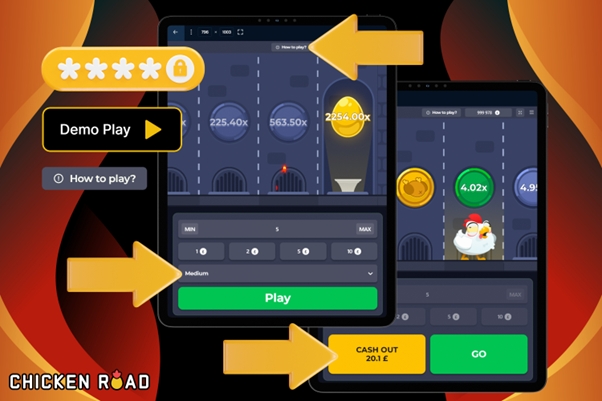
Gameplay features and strategy in Chicken Road
Every game has its nuances, and success lies in the details. Pay close attention. You can’t play by a fixed pattern – you need to adapt. Stay flexible. The main goal is to progress as far as possible while avoiding hazards. But the further you go, the higher the risks. Fear can hold you back. Don’t be afraid to take calculated risks.
Experts recommend starting small. Don’t rush or chase records on your first day. Learn the timing. Observe how the objects move. The game mechanics should become intuitive. Practice is key – train often. Experience builds over time.
Risk and bankroll management
This is the most important part. Money requires discipline. Without proper financial control, you’re setting yourself up to fail. In professional gaming, this is called bankroll management.
Basic rules for preserving your funds:
- Session Limit. Set the amount you’re willing to spend today and never exceed it. Be strict with yourself. A stop-loss is mandatory.
- Fixed Bet. Wager no more than 1–2% of your total bankroll per round. This helps you survive losing streaks. Slow and steady wins the race – don’t risk everything at once.
- Don’t Chase Losses. If the day isn’t going well, close the app. Tomorrow is a new day. Trying to win back losses “right now” often leads to disaster. Avoid reckless moves.
Protect Your Money.
Below is a table comparing different gameplay approaches. Study it carefully.
| Playing Style | Risk Level | Win Potential | Stability |
| Cautious | Low | Small | High |
| Balanced | Medium | Medium | Medium |
| Aggressive | High | Huge | Low |
The choice is always yours.

Psychology and self-control
Keep a clear head – that’s rule number one. Greed and fear lead to mistakes. Winning can create the illusion that success will last forever. It won’t. Euphoria is dangerous. Don’t celebrate too early. Calmness is key to success.
There’s a concept called “tilt.” This happens when emotions override reason. A player starts acting chaotically, losing control, raising bets without cause, and forgetting strategy. If you feel irritation or extreme excitement, take a pause. Breathe. Just breathe. Discipline is the foundation of success; without it, even the best strategies are useless. Character makes the difference. Protect your nerves.
How to stay focused
Attention is a limited resource. Energy isn’t infinite, and no one can stay focused forever. Fatigue accumulates, so rest is essential.
Tips for maintaining focus:
- Take breaks. Step away from the screen for 10–15 minutes every hour.
- Eliminate distractions. Turn off messenger notifications. Nothing should disturb you. Silence is necessary.
- Play in comfort. A good chair and proper lighting are crucial. Physical discomfort distracts. Sit comfortably.
Your body will thank you.
Technical setup
We live in a digital age, and the quality of your equipment matters. It directly affects your performance. Imagine going for a record, and suddenly your internet drops – disaster. Frustrating doesn’t even begin to cover it. Mobile gaming requires a stable connection; without it, you’re stuck.
Wi-Fi is preferable to mobile data, and the signal must be strong and consistent. Device performance is equally important. If your phone lags, you won’t be able to react in time. Your device needs to run smoothly – lags are unacceptable. Always update the app to the latest version; developers constantly fix bugs, and updates are essential for a seamless experience.

Safety and choosing a platform
The internet is full of scammers. Stay vigilant and don’t trust everything you see. Before making a deposit, always check the site. Reliability comes first. Trust, but verify.
What to look for:
- License. This information should be in the website’s footer. It guarantees fairness. Look for the official seal.
- Reviews. Check forums and see what other users are saying. People tell the truth, and reputation is hard to fake.
- Support. Contact live chat and see how quickly they respond. Good service values its customers – you deserve respect.
Account security: Don’t use simple passwords. Create strong, unique codes and enable two-factor authentication. Your account is like your bank – protect it. Avoid suspicious links. Security is in your hands.
Myths about online games
The industry is surrounded by rumors. Let’s break down the most common misconceptions:
- “Games are rigged.” If the site is licensed, this is impossible. The code is audited and verified. That’s a fact.
- “There are secret tactics for a 100% win.” This is false. No guarantees exist—there’s always risk. Be realistic; no one can predict the future.
- “Beginners get lucky.” The algorithm doesn’t care who you are. Any wins are purely coincidental.
Don’t trust sellers of “sure-win” schemes – they profit from users’ naivety. Always check the facts. Critical thinking protects your money.
Conclusion
The world of arcade games is captivating, offering a rush of emotions. Games like the one we’ve discussed let you test your reflexes and patience. But remember the most important thing: it’s just entertainment. Life is far more interesting than any game. Don’t turn it into a cult. Don’t try to make a living from playing. Don’t rush through life. Quick reflexes matter, but knowing when to stop matters even more.
Practice good financial hygiene. Monitor your well-being. Choose trustworthy platforms. And let luck be just a pleasant bonus to your skill.