Sandro Marcos does not tolerate absenteeism
House Majority Leader Ferdinand Alexander Sandro Marcos pushed for a measure seeking to implement a “No Work, No Pay” policy for members of Congress.
Just this February, Marcos filed House Bill No. 7432, or the “No Work, No Pay for Members of Congress Act.”
It aims to link the salaries and other benefits of senators and representatives to their attendance and participation in the official activities of Congress.

Under the congressman’s proposal, the monitoring of attendance covers not only plenary sessions but also committee hearings and other official legislative duties, based on the report from Bandera.
For Rep. Sandro Marcos, the principle he wishes to apply is simple: if ordinary workers must work to earn a wage, then elected officials paid from public funds should also be held accountable in a similar manner. In the bill’s explanatory note, he stated that “no work, no pay” is a general labor principle applied nationwide.
The congressman said that the members of Congress are entrusted with crafting laws and representing their constituents; therefore, their compensation should be linked to their attendance and participation.
He stressed that a legislator’s job involves more than just sitting in the session hall. Before a measure reaches the plenary, it may undergo committee hearings, deliberations, consultations, and other processes.
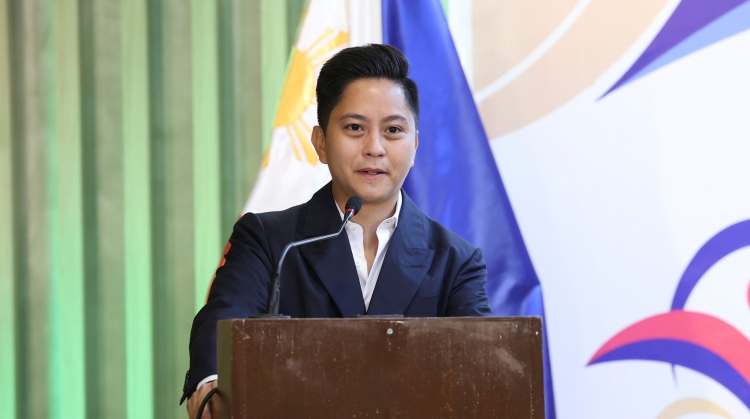
It is at this stage that provisions are studied, affected sectors are heard, and the measure may be amended before being put to a vote. In Marcos’s proposal, what matters is not merely a lawmaker’s physical presence, but their active participation in the duties inherent to their job.
The proposal has garnered support from some of his colleagues in the House of Representatives. Several members of the so-called “Young Guns” bloc expressed their support, viewing the measure as a way to strengthen lawmaker accountability and safeguard public funds.
On a broader level, this opens up a discussion about what it truly means to be present and to work as a lawmaker. Their mandate extends beyond merely attending plenary sessions.
It also mandates them to participate in the legislative process, attending hearings, scrutinizing proposed measures, and addressing issues that directly impact their constituents.
The issue is also significant because public funds are used to cover the salaries and benefits of elected officials.
Through this proposal, Rep. Sandro Marcos seeks to clarify the link between receiving compensation and fulfilling one’s duties.