Forced Separation of Same-Sex Couples? CHR Probes Disturbing Reports in Maguindanao del Sur
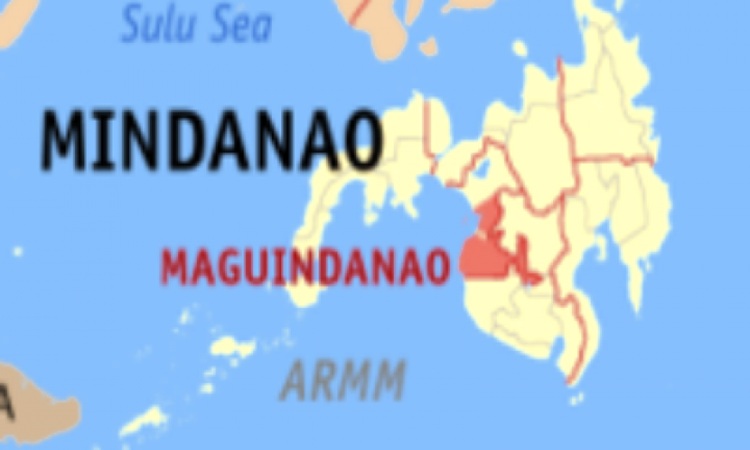
MAGUINDANAO DEL SUR – A barangay in Maguindanao del Sur is now at the center of controversy after reports surfaced about an alleged anti-lesbian and gay policy that has prompted a CHR investigation.
The Commission on Human Rights (CHR) has launched an investigation into a reported discriminatory policy said to be targeting individuals perceived to be lesbian or gay in a barangay in Maguindanao del Sur.
According to the CHR, concerns were raised about the alleged enforcement of a local initiative known as “Operation Supak” in Barangay Layog, Pagalungan town. The measure allegedly focuses on members of the LGBTQIA community—lesbian, gay, bisexual, transgender, queer, intersex and asexual individuals—based on their perceived sexual orientation.
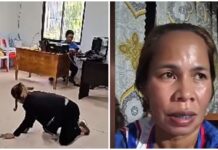
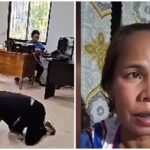
Citing accounts from local media, the CHR said barangay officials reportedly went door-to-door to visit residents suspected of being lesbian or gay.
“They were reportedly compelled to report to the barangay hall. Same-sex adult couples living together were forcibly separated. A barangay official said the couples’ are violating the law and the teachings of Islam,” the CHR said.
The Commission emphasized that such actions, if proven true, pose a serious threat to the dignity and human rights of LGBTQIA individuals. It stressed that, “Actions of this nature violate the dignity and rights of LGBTQIA people. The alleged acts unlawfully target individuals based on perceived sexual orientation.”
Reports reaching the CHR indicated that affected residents faced harassment, intimidation, and discriminatory treatment, compromising their rights to security and privacy. The Commission also warned that these practices could constitute violations of constitutional protections and international human rights norms, particularly those involving equal protection, non-discrimination, and privacy.
“Domestically, the targeting of perceived lesbian and gay couples has no legal basis. There is no Philippine law that prohibits women from living with women, or men from living with men,” the CHR noted.

It also emphasized the relevance of existing laws, saying, “The Safe Spaces Act or Republic Act 11313 penalizes gender-based sexual harassment including homophobic and transphobic behavior, while the Magna Carta of Women or RA 9710 prohibits discrimination against women including those on the basis of their sexual orientation.”
While acknowledging that religious freedom remains integral to society, the CHR reiterated that it cannot be used to justify discriminatory actions by government authorities or the misuse of public resources.
The Commission said its investigation will be conducted in coordination with the Bangsamoro Human Rights Commission and encouraged the Presidential Special Committee on LGBTQIA+ Affairs to strengthen inter-agency efforts to safeguard affected communities.