DOLE Says Workers Who Develop Heat-Related Illnesses Can Receive Compensation
DOLE said that workers who develop heat rashes and other illnesses due to extreme heat can receive compensation.
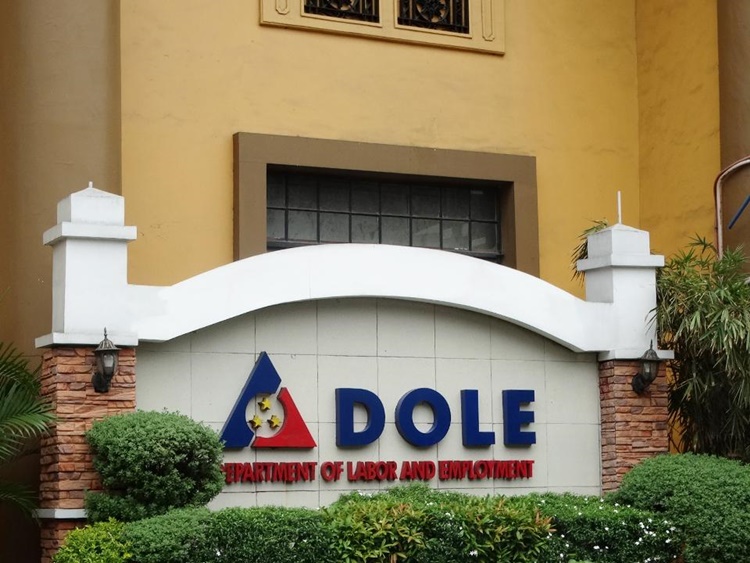
The Department of Labor and Employment announced that employees can receive compensation for heat-related illnesses due to extreme heat.
DOLE Secretary Francis N. Tolentino issued guidelines clarifying which heat-related illnesses may be covered, especially during El Niño and other periods of high temperatures.
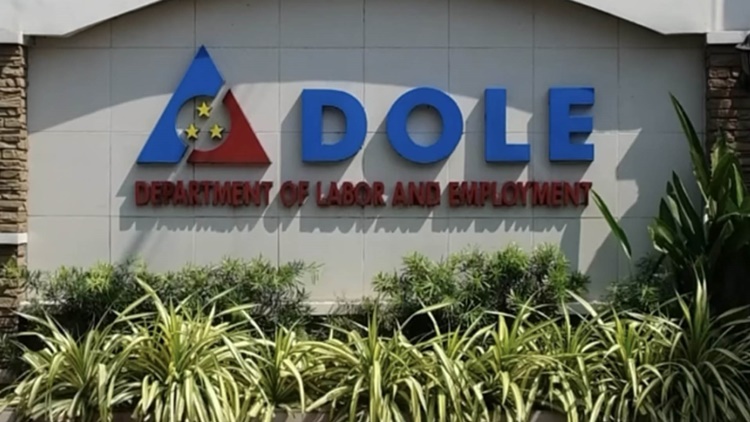
Under Employees’ Compensation Commission (ECC) Board Resolution No. 26-10-40, Series of 2026, compensation may be granted not only for common heat-related conditions already recognized under existing rules, but also for other illnesses linked to prolonged exposure to extreme heat.
These conditions include heat stroke, heat cramps, and heat exhaustion. The updated advisory also covers heat syncope, which can cause dizziness or fainting, and heat rash, a skin condition that develops when sweat becomes trapped under the skin.
Other conditions that may qualify include rhabdomyolysis, a serious condition involving muscle damage, dehydration that can lead to kidney problems, and neurological disorders that affect the nervous system.
The guidelines aim to provide clearer information on the illnesses that workers may experience while working in hot conditions and the benefits they may receive through the program.
Workers in outdoor jobs and workplaces exposed to high temperatures face greater risks of heat-related illnesses, particularly during periods of extreme weather. Construction workers, farm workers, delivery riders, and other employees who spend long hours under the sun may be especially vulnerable.
Heat-related illnesses can range from mild skin irritation to serious medical conditions that require immediate treatment. Recognizing these risks is important for both workers and employers, especially when temperatures remain high for extended periods.
Employees who develop symptoms linked to workplace heat exposure should seek medical attention and check with the appropriate government offices about their eligibility for compensation under the ECP.
The social media users expressed their reactions to the announcement: